4
6.0
HD国语
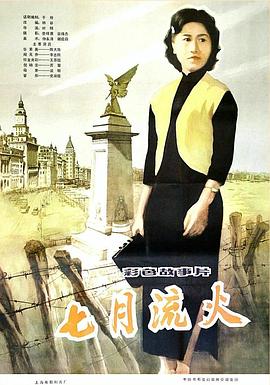
七月流火
6.0
上映时间:04月15日
主演:龚雪,李志舆,王苏娅,陈大姝,吴冕,史淑桂
简介:

  1939年,上海处于'孤岛'时期。上海职业妇女俱乐部在大陆电台举办广播,为筹募难民寒衣的义卖进行宣传。这次义卖是我地下党领导的,义卖的部分收入也将秘密捐给新四军制寒衣。这次活动得到上海各阶层爱国人士的广泛支持和响应。地下党员华素英是上海职业妇女俱乐部主席,她得到中学时代同学、新沪公司郭经理的帮助,借得了义卖场地。汪伪76号特务机关的特务企图摸清义卖的性质而进行破坏,不久,向新沪公司投掷炸弹,迫使郭经理不敢再借场子。此时,女大律师杜金光彩却主动要帮助解决场地,并提出要当义卖的法律顾问,参与义卖款项的支配。华素英识破了杜的阴谋,当场巧妙地回绝了杜金光彩。由于76号特务的破坏,华素英尽管到处奔波,还是借不到场子,最后决定把俱乐部办公室作为义卖会场。义卖会刚一开始,就遭到特务破坏,租界当局以'义卖破坏社会秩序' 为由加以禁止。这时,与华素英相依为命的老母因病去世。华正准备为母亲料理后事时,巡捕房却故意刁难,一定要华素英亲自去交涉有关义卖的事。华素英只得将母亲后事托交未婚夫闻元乔办理,闻责怪华'不讲母女之情'。华素英决然前往巡捕房。交涉结果,同意义卖恢复活动。特务机关李局长得知义卖恢复,大为恼火,命令部下绑架华素英。这一消息被华素英过去的邻居倪岫云偶然听到,她冒着生命危险急忙报告给华的战友管彤,敌人的阴谋又告失败。为了华的安全,组织决定让她到新四军去工作。行前,华素英与闻元乔道别,并动员他一起去。闻没有接受华的建议,一对情人怏怏而别。动身之日,职业妇女俱乐部的姐妹们为华送行,但由于内奸邬珍的告密,华素英遭到敌人的暗害。闻元乔在华素英的斗争精神鼓舞下,毅然地踏上了抗日救亡的革命道路。

4
HD国语
七月流火
主演:龚雪,李志舆,王苏娅,陈大姝,吴冕,史淑桂
4
10.0
HD中字
古鲁
10.0
上映时间:04月15日
主演:艾西瓦娅·雷,Abhishek Bachchan
简介:

  06年12月22日,好莱坞备受期待的电影新片《Guru》将在印度和美国同时上映。近日,《Guru》的片中音乐提前向外界发布,部分宝莱坞顶级明星齐聚孟买,出席了音乐发布会。发布会由印度超级巨星阿穆布·巴克强(Amitabh Bachchan)主持,巴克强的儿子阿比谢克在影片中扮演男主角。享有印度西施美誉的前世界小姐艾丝维亚瑞(Aishwarya Rai)饰演女主角,当天身穿白色纱丽参加了发布会。
  《Guru》一片的音乐由古扎尔创作,里赫曼(A.R.Rehman)谱曲。该片导演马尼·拉纳姆 (ManiRatnam)是印度南部名气最盛的导演,以拍摄当代现实主义主题的电影而著称,能够在商业和艺术之间很好地把握分寸,取得了事业上的很多成功。拉纳姆的电影,还以令人侧目的技巧、强烈的个性和充满深情的音乐见长。此前,拉纳姆和里赫曼已经合作过《洛加》(Roja)、《孟买》(Bombay)和《迪尔·瑟》(Dil Se)三部影片,为观众创造出余音绕梁的音乐篇章。拉纳姆介绍说,《Guru》讲述的是年轻村民古鲁肯特·迪赛获得事业成功的故事,生活简单的迪赛经过奋斗,最终成为一名工业界大亨。宣传《Guru》的电影片花介绍说,迪赛首先是个村民,后来被人认为是幻想家,最终获得了成功。

4
HD中字
古鲁
主演:艾西瓦娅·雷,Abhishek Bachchan
4
9.0
HD中字
不安
9.0
上映时间:04月15日
主演:英格丽·褒曼,马蒂亚斯·维曼,雷娜特·曼哈特
简介:

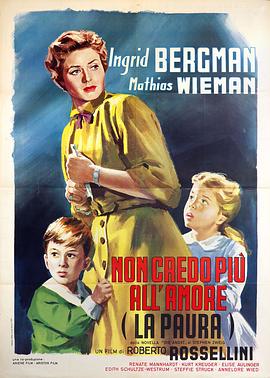
  Whenever I see La Paura I think of it as a companion piece to Eyes Wide Shut, or maybe it is the other way around. Adultery makes both films tick but in different ways. I think Phillip French was right on the money when he pointed out a Wizard of Oz thing in Kubrick's last work. Like Dorothy, Tom and Nicole go through fantasies and nightmares and at the end Dorothy's reassuring childish motto "there's no place like home" is ironically updated to the adult circumstantial adage "there's no sex like marital sex". Kubrick's take is intellectual, he never leaves the world of ideas to touch the ground. He taunts the audience first with an erotic movie and then with a thriller and refuses to deliver either of them. He was married to his third wife for 40 years, until he died. Rossellini was still married to Ingrid Bergman when he directed La Paura; they had been adulterous lovers and their infidelity widely criticized La Paura is a tale, a noirish one. The noir intrigue is solved and the tale has a happy ending. The city is noir; the country is tale, the territory where childhood is possible. The transition is operated in the most regular way: by car, a long-held shot taken from the front of the car as it rides into the road, as if we were entering a different dimension. Irene (Bergman) starts the movie: we just see a dark city landscape but her voice-over narration tells us of her angst and informs us that the story is a flashback, hers. Bergman's been cheating on her husband. At first guilt is just psychological torture but soon expands into economic blackmail and then grows into something else. From beginning to end the movie focuses on what Bergman feels, every other character is there to make her feel something. Only when the director gives away the plot before the main character can find out does he want us to feel something Bergman still can't. When she finds out, we have already experienced the warped mechanics of the situation and we may focus once again on the emotional impact it has on Bergman's Irene. In La Paura treasons are not imagined but real, nightmares are deliberate and the couple's venom suppurates in bitter ways. Needless to say, Ingrid has another of her rough rides in the movies but Rossellini doesn't dare put her away as he did in Europa 51, nor does he abandon her to the inscrutable impassivity of nature (Stromboli). His gift is less transcendent and fragile than the conclusion of Viaggio in Italia. He just gives his wife as much of a fairy tale ending as a real woman can have, a human landscape where she can finally feel at home. Back to the country, a half lit interior scene where shadows suggest the comfort of sleep. After all, it's the "fairy godmother" who speaks the last words in the movie.

4
HD中字
不安
主演:英格丽·褒曼,马蒂亚斯·维曼,雷娜特·曼哈特
4
2.0
HD中字
总路线
2.0
上映时间:04月15日
主演:Marfa Lapkina,M. Ivanin,Konstantin Vasilyev
简介:

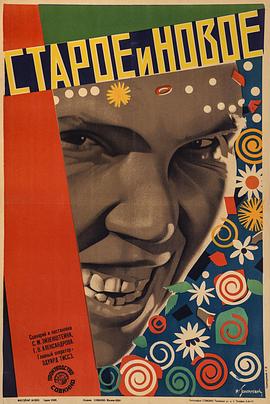
  Due to some common interests between German and Russian aristocracy ( the Russians even had aristocrats in their past not to mention they had an Empress called Catherine the Great, as great as this German count's heiresses… ), it is not strange that this Teutonic count has understood and even enjoyed Herr S. M. Eisenstein's "Staroye I Novoye".
  It is not very usual that for the aristocracy to enjoy Bolshevist films full of proletarian demands that put private property at risk or as it happens in this case, a film about the Communist Party's policy on the subject of the collectivization of the Soviet agriculture. Normally this would be perfect gibberish for this German count, but thanks to Herr Eisenstein 's greatness and directorial talent, the hardships of the heroine of the film, Dame Marfa ( Dame Marfa Lapkina ) breached even the thick aristocratic Schloss walls.
  And that's one of the first remarkable aspects of this oeuvre; in spite of the political subject of the film, the powerful images and lyricism ( astonishing and beautiful shot compositions ), especially during the first part of the movie, preserve the artistic merits entirely while serving a propaganda purpose. The second remarkable aspect of the film is the dichotomy between the old and new, the fight to improve the lot of Dame Marfa and her countrymen. There are many discussions because it is not easy even in Russia to change ancient and conservative customs. There are superb metaphors and social criticism ( illiteracy, bureaucracy, religiosity ) which perfectly fit the film, and last but not least, "Staroye I Novoye", is a kind of archaic documentary about ancient customs established deeply in old Russia, those ones that our heroine must fight against. And there is also a lot about agriculture ( very enlightening for this German count), especially about harvesting and how to fatten Russian cows or pigs ( literally, no pun here… ).
  Herr Eisenstein had to bear during the last era of his film career, unbelievable censorship and mutilation of his work, as happens with "Staroye I Novoye". The film was reedited and Eisenstein accused of sympathizing with Trostky's policies but fortunately the film was restored and showed by the German-frenchified t.v. channel "ARTE", natürlich!, including an evocative music score by Herr Taras Bujewski, that fits superbly Herr Eisenstein primal artistic interests.
  And now, if you'll allow me, I must temporarily take my leave because this German Count must buy a tractor for one of his Teutonic heiress.

4
HD中字
总路线
主演:Marfa Lapkina,M. Ivanin,Konstantin Vasilyev
4
9.0
HD中字
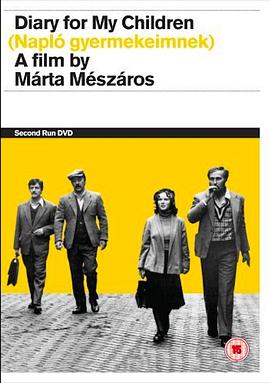
留给女儿的日记
9.0
上映时间:04月15日
主演:茹饶·钦科齐,安娜·波洛尼,扬·诺维茨基,帕尔·佐尔瑙伊,伊尔迪科·班沙吉
简介:

  匈牙利著名女导演梅萨罗什(《收养》)最知名的作品
  被禁止发行两年后,在1984年嘎纳电影节上获得了评委会大奖!
  世界女性电影史上不朽的经典杰作!
  梅萨罗什曾被英国国际电影年鉴评选为影坛五大导演之一。
  八十年代最好的东欧电影之一
  本片1982年拍摄完毕,1984年才准许发行。它反映了二十世纪四十年代匈牙利的政治、文化和社会生活。这是一部半自传体的影片。导演梅萨罗什是匈牙利著名女导演,她的经历几乎和影片中女主人公一样。1935年年仅5岁时和父亲移居苏联。影片中,女主人公从贾诺什留下的日记里开始理解玛格达,但还是不喜欢她。从玛格达身上,反映了匈牙利的历史的这一段进程。梅萨罗什拍摄了20多部影片。主要的有《九个月》、《郊区的房子》、《就象家—样》、《留给我爱人的日记》(本片续集)、《遗产》、《母亲和女儿》等。本片获得1984年第37届戛纳电影节评委会特别奖。
  这部斯大林时期的自传体电影《给我孩子的日记》,用50年代的新闻片连续镜头和片断描绘了那个年代复杂的个人和政治景象。在西方被禁止发行两年后,还是在1984年嘎纳电影节上获得了评委特别奖。
  ★★剧情介绍:
  1947年的一天,一批逃往苏联的匈牙利地下党员乘飞机回到布达佩斯,十几岁的小姑娘尤莉也在其中。她父亲,一位著名的雕塑家在苏联30年代大清洗时被捕,杳无音讯。母亲是画家,会多国语言,常带尤莉去看电影,但在尤莉很小的时侯就去世了。尤莉随祖父母回国,住在姑妈玛格达家里。玛格达过去是地下党员,战后是一家报纸的主编,她的公寓华丽而舒适。尤莉在特权阶层子女才能上的学校念书,姑母要收她为养女。但尤莉不同意,她不喜欢玛格达。她逃学去看电影,想念过去的生活,想念父母。尤莉很喜坎姑母的老战友贾诺什,老布尔什维克,大工厂的总工程师。贾诺什的妻子和女儿在一次空袭中被炸死,儿子成了残废。他也很关心尤莉。玛格达后来当了监狱长,积极参与1949年开始的大清洗运动,贾诺什突然失踪了。尤莉决定离开玛格达,到一家工厂当工人。1953年她去监狱探望了贾诺什,她示意将和他的儿子一起等着他自由归来。

4
HD中字
留给女儿的日记
主演:茹饶·钦科齐,安娜·波洛尼,扬·诺维茨基,帕尔·佐尔瑙伊,伊尔迪科·班沙吉
统计代码