1
2.0
HD国语
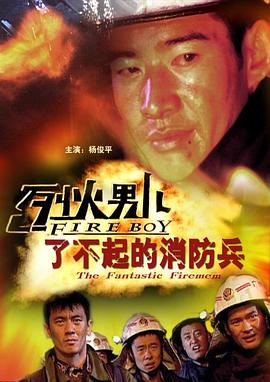
烈火男儿之了不起的消防兵
2.0
上映时间:04月15日 06:17
主演:王宝强,陈西贝
简介:

  在一次高楼火灾中,平安中队的消防兵龙大川冒着生命危险,用自己的双臂和一只长椅一起架起一座“生命之桥”,两个工人因此得救,大川也身受重伤。
  这时候,正赶上新一届全国消防特勤训练尖兵大赛的初赛报名,战友石鹏很自然的帮大川报上名。可大川却不愿意参加比赛,他觉得那些都是花拳绣腿的比试,真正在一线救火救人才更厉害。况且他已经是群众心目中的“了不起的消防兵”了……
  因为伤病,战斗班长李明亮必须从救火一线退下来了,中队长周余帮明亮联系到消防培训中心做教员,可明亮并不甘心,他希望在离开之前,把自己的一身本事传承下去。
  于是,在李明亮和石鹏共同努力之下,龙大川终于明白参加大赛也对宣传消防、树立良好消防形象有重要作用。他也终于决定要在明亮的辅导下,去全国大赛拿个第一名回来。
  可是,急于求成的明亮在训练大川和石鹏的时候跟填鸭子没什么分别,大川吃不消了,他跟明亮几次冲突,甚至罢练。在大家的提醒下,大川才知道原来明亮马上就要离开中队了。难受的大川跟明亮道歉,他咬紧牙关,拼命训练,明亮为大川的改变倍感欣慰……
  李明亮离开中队的日子到了,可就在队长要宣布这个消息的时候,火警铃声响起。明亮希望能再救一次火再走。战友们簇拥着明亮一起离开。
  可是,就在这次任务中,明亮却因为保护大川和伤者,在爆燃中壮烈牺牲。
  很长一段时间,大川没法接受这个现实。他一直认为是明亮是替自己死的,是他害死了李班长。战友们用尽各种办法,轮番劝慰,可一根筋的大川却更加坚定自己的想法,他甚至没用勇气再做一名消防兵……
  最后,还是在副队长刘海洋和队长周余的激励之下,大川明白,自己不该再消沉下去,自己要做的,应该是替明亮完成遗志,做一名真正的了不起的消防兵!
  在众人期待的目光中,焕然一新的消防兵龙大川赶到全国消防尖兵大赛初赛的现场……

1
HD国语
烈火男儿之了不起的消防兵
主演:王宝强,陈西贝
1
2.0
HD国语
尘网曦光
2.0
上映时间:04月15日 06:49
主演:迟佳,李菲儿
简介:

  海子是一个绑架团伙的成员,在接头提取赎金时携赃款潜逃,临走时还向警察抖出了团伙老大武猛的巢穴。逃亡途中海子不慎受伤,在向过往的长途汽车求助时,遭到售票员的欺生,幸而得到苗家姑娘阿凤的仗义相助。海子住进了阿凤工作的花溪镇的光明旅社,并在诊所得到了救治。善良的阿凤悉心照料海子,一举一动悄然感动着海子,但海子多年混迹社会的习性容不得他去相信任何人,只能把这份情愫深藏心底。
  团伙老大武猛昼伏夜出,躲避警察的缉捕。他一刻不停地打听海子的下落,要报一箭之仇。海子渐渐康复,他经常独自进花溪山去画画,开始有欲望去体味正常人的生活。一日海子写生归来,借着酒精作用冒犯了单纯的阿凤,阿凤哭着跑出门去。海子的性情在那件事之后发生了很大变化。为了弥补给阿凤造成的伤害,他开始主动接近阿凤,阿凤的画像贴满了他的房间。阿凤的恨意也渐渐消融,不知不觉中海子和阿凤萌生爱意。但当这份纯真的爱摆在面前的时候,海子却最终选择了逃避。
  武猛得知海子下落,连夜翻山越岭赶来,警方也跟踪而至。良知觉醒的海子与凶残的武猛展开了一场殊死搏斗,一个是为了爱,而另一个是为了那不义的四十万。最后,在海子的帮助下警方击毙了凶残的武猛,海子也为他犯下的罪行承担起应得的惩罚。阿凤依然守候着那份纯洁的爱,在灿烂的桃花源里等候着高墙内的海子。

1
HD国语
尘网曦光
主演:迟佳,李菲儿
1
2.0
HD中字
总路线
2.0
上映时间:04月15日 07:29
主演:Marfa Lapkina,M. Ivanin,Konstantin Vasilyev
简介:

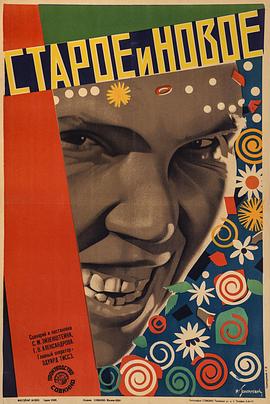
  Due to some common interests between German and Russian aristocracy ( the Russians even had aristocrats in their past not to mention they had an Empress called Catherine the Great, as great as this German count's heiresses… ), it is not strange that this Teutonic count has understood and even enjoyed Herr S. M. Eisenstein's "Staroye I Novoye".
  It is not very usual that for the aristocracy to enjoy Bolshevist films full of proletarian demands that put private property at risk or as it happens in this case, a film about the Communist Party's policy on the subject of the collectivization of the Soviet agriculture. Normally this would be perfect gibberish for this German count, but thanks to Herr Eisenstein 's greatness and directorial talent, the hardships of the heroine of the film, Dame Marfa ( Dame Marfa Lapkina ) breached even the thick aristocratic Schloss walls.
  And that's one of the first remarkable aspects of this oeuvre; in spite of the political subject of the film, the powerful images and lyricism ( astonishing and beautiful shot compositions ), especially during the first part of the movie, preserve the artistic merits entirely while serving a propaganda purpose. The second remarkable aspect of the film is the dichotomy between the old and new, the fight to improve the lot of Dame Marfa and her countrymen. There are many discussions because it is not easy even in Russia to change ancient and conservative customs. There are superb metaphors and social criticism ( illiteracy, bureaucracy, religiosity ) which perfectly fit the film, and last but not least, "Staroye I Novoye", is a kind of archaic documentary about ancient customs established deeply in old Russia, those ones that our heroine must fight against. And there is also a lot about agriculture ( very enlightening for this German count), especially about harvesting and how to fatten Russian cows or pigs ( literally, no pun here… ).
  Herr Eisenstein had to bear during the last era of his film career, unbelievable censorship and mutilation of his work, as happens with "Staroye I Novoye". The film was reedited and Eisenstein accused of sympathizing with Trostky's policies but fortunately the film was restored and showed by the German-frenchified t.v. channel "ARTE", natürlich!, including an evocative music score by Herr Taras Bujewski, that fits superbly Herr Eisenstein primal artistic interests.
  And now, if you'll allow me, I must temporarily take my leave because this German Count must buy a tractor for one of his Teutonic heiress.

1
HD中字
总路线
主演:Marfa Lapkina,M. Ivanin,Konstantin Vasilyev
1
2.0
HD中字
狮心兄弟
2.0
上映时间:04月15日 07:06
主演:Staffan Götestam,Lars Söderdahl,艾伦·埃德渥,Gunn Wållgren,Folke Hjort,帕尔·奥斯卡森,汤米·约翰松,Jan Nygren,米哈·加巴伊,Georg Årlin,贝蒂尔·诺斯特伦,马茨·安德松,Aksel Erhardtsen,Ulf Håkan Jansson,博迪尔·林多夫
简介:

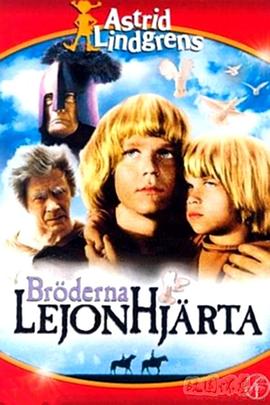
  9岁的“狮心面包圈”患结核病,而且知道他会死很快。哥哥狮心约拿丹在一次火灾中救人死去,弟弟后来也因病过世,死去后到了天堂,片中那个地方叫“南极优勒”。见到了哥哥,在天堂里哥哥仍然行善除恶,后来在那里又一次死去,从天堂又可以飞升到另一个更高的世界“南极利勒”。狮心兄弟担负着解放蔷薇谷的使命,但是,敌人又是那么强大,几乎是不可战胜的。他们历经了种种危险和惊心动魄的刻……胆小的狮心面包干是如何在危险时刻克服自己的恐惧,勇敢地与邪恶进行斗争。
  书中的主人公是一位小男孩斯科尔班,身体虚弱、胆小怕事。而他的哥哥约拿旦•狮心,勇敢、英俊、强壮又无所不知,非常疼爱弟弟。当他害怕死去时,哥哥告诉他:人死后将去就会到南极亚拉,在那里他会立刻变得健康、强壮起来,甚至会变得英俊。在那里,从早到晚都可以参加历险,那里还处于篝火与童话的时代。在家里的一次大火灾之后,白鸽子引导他们先后去了南极亚拉,在那里的樱桃谷如天堂一般,但是生活在附近的蔷薇谷的人们却在暴君腾格尔的统治下,过着恐惧、受奴役、没有自由的生活。于是,狮心兄弟担负着解放蔷薇谷的使命,但是,敌人又是那么强大,几乎是不可战胜的。他们历经了种种危险和惊心动魄的时刻,终于把南极亚拉从暴君腾格尔、恶魔卡特拉手中解放出来。但是,最后哥哥也被恶龙卡特拉的火焰烧着了(而那是致命的)……胆小的斯科尔班是如何在危险时刻克服自己的恐惧,勇敢地与邪恶进行斗争。以及他们如何渡过难关,最终取得胜利。这些只有自己通过阅读去体会才会难以忘怀。旧时光定格,久远地印在心里。一点迷惑,一点莫名的感伤。像早上第一堂课,老师的嘴里唠叨着什么,每个字都重复着“睡吧睡吧”,同学们的脸孔遥远陌生。眼神迷离,不敢彻底伏下头去,等一声惊叫闯来,或者一个玩笑传来。时间过的慢极了,下课铃似乎永远不会响起。
  一种童年,一个神奇温暖的梦幻世界。

1
HD中字
狮心兄弟
主演:Staffan Götestam,Lars Söderdahl,艾伦·埃德渥,Gunn Wållgren,Folke Hjort,帕尔·奥斯卡森,汤米·约翰松,Jan Nygren,米哈·加巴伊,Georg Årlin,贝蒂尔·诺斯特伦,马茨·安德松,Aksel Erhardtsen,Ulf Håkan Jansson,博迪尔·林多夫
3
2.0
HD中字
知己知彼
2.0
上映时间:04月15日 07:29
主演:斯特法尼娅·桑德雷莉,马里奥·阿多夫,让-克洛德·布里亚利,约阿希姆·富克斯贝格,尼诺·曼弗雷迪,恩里科·玛丽亚·萨莱诺,乌戈·托尼亚齐,卡琳·多,佛朗哥·法布里齐,图里·费罗,罗伯特·霍夫曼,弗兰科·内罗,维罗尼卡·旺代勒,Franca Polesello,雷纳托·泰拉
简介:

  imdb
  Plot summary
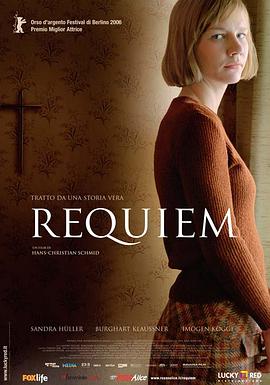
  Born in a small town in the countryside surrounding Pistoia, Adriana is an attractive young girl who counts on using her looks to go places in the entertainment business in Rome. Moving to the capital, she works first of all in a hairdressing salon, then in a small cinema where she manages to get a job working in fancy dress. Meantime, she socializes with young men of the upper middle classes, who take her to parties and out on the town with the sole aim of taking advantage of her. Adriana knows their game, but plays along. In the meantime, she meets an agent called Cianfanna, a modest money-grubber who introduces her to a journalist friend of his so he can write an article on her. Having thus launched her career in advertising, Adriana decides to go home to visit her parents. Once home, however, she is distraught to learn of the death of her sister. Returning to Rome, she takes acting lessons, but during one lesson she suddenly faints: she is pregnant, with no idea of who the father of her child is. The days go by and Adriana tries to forget about her pregnancy, while sleeping with an increasingly long list of lovers. And yet, despite the fact these encounters are often less than enjoyable, at one point she actually falls in love: his name is Antonio and he's a decent young man from a respectable family, but still in love with a former girlfriend he is unable to forget…

3
HD中字
知己知彼
主演:斯特法尼娅·桑德雷莉,马里奥·阿多夫,让-克洛德·布里亚利,约阿希姆·富克斯贝格,尼诺·曼弗雷迪,恩里科·玛丽亚·萨莱诺,乌戈·托尼亚齐,卡琳·多,佛朗哥·法布里齐,图里·费罗,罗伯特·霍夫曼,弗兰科·内罗,维罗尼卡·旺代勒,Franca Polesello,雷纳托·泰拉
1
2.0
HD中字
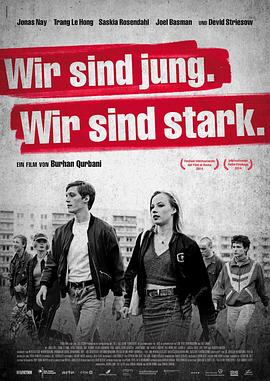
气球2018
2.0
上映时间:04月15日 07:35
主演:弗莱德里奇·穆克,卡罗利妮·舒赫,大卫·克劳斯,艾丽西娅·冯·里特贝格,托马斯·克莱舒曼,乔纳斯·霍登里德尔,蒂尔曼·多布勒,克里斯蒂安·内特,罗纳德·库克利斯,塞巴斯蒂安·胡克,乌尔里奇·布兰德霍夫,柏恩德·麦克·莱德,凯·伊沃·保利兹,贝恩德·斯特格曼,安婕·特拉乌
简介:

  故事发生在1979年冷战期间,冈特(大卫·克劳斯 David Kross 饰)和皮特(弗莱德里奇·穆克 Friedrich Mücke 饰)身处东德统治者的铁腕政权之下,虽然被限制了行动,但是两人并没有放弃对于自由的追求,他们利用长达两年的时间,策划了一起惊天大逃亡。
  两人动用了手边一切能够得到的资源,制作了一个巨大的热气球,他们打算用最朴素也是最直接的方式,带领着他们的家人逃往西德。然而,就在一行人即将越过边境之际,热气球却因为意外而坠毁了,与此同时,他们的行动也引起了秘密警察的注意,针对他们的追捕很快展开了。一边躲避追兵,冈特和皮特还要一边想方设法制作新的热气球,一场与时间的竞赛开始了。

1
HD中字
气球2018
主演:弗莱德里奇·穆克,卡罗利妮·舒赫,大卫·克劳斯,艾丽西娅·冯·里特贝格,托马斯·克莱舒曼,乔纳斯·霍登里德尔,蒂尔曼·多布勒,克里斯蒂安·内特,罗纳德·库克利斯,塞巴斯蒂安·胡克,乌尔里奇·布兰德霍夫,柏恩德·麦克·莱德,凯·伊沃·保利兹,贝恩德·斯特格曼,安婕·特拉乌
1
2.0
HD中字
欧洲的某个地方
2.0
上映时间:04月15日 06:31
主演:Artúr Somlay,Miklós Gábor,Zsuzsa Bánki
简介:

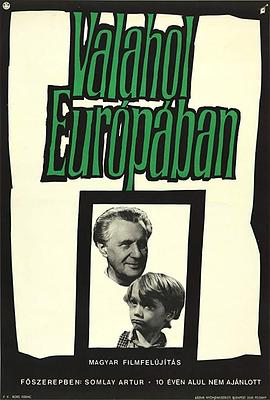
  Somewhere in the remote region, the war ends. In the midst of ruined cities and houses in the streets, in rural hamlets, everywhere where people still live, are children who have lost their homes and parents. Abandoned, hungry, and in rags, defenseless and humiliated, they wander through the world. Hunger drives them. Little streams of orphans merge into a river which rushes forward and submerges everything in its path. The children do not know any feeling; they know only the world of their enemies. They fight, steal, struggle for a mouthful of food, and violence is merely a means to get it. A gang led by Cahoun finds a refuge in an abandoned castle and encounters an old composer who has voluntarily retired into solitude from a world of hatred, treason, and crime. How can they find a common ground, how can they become mutual friends? The castle becomes their hiding place but possibly it will also be their first home which they may organize and must defend. But even for this, the price will be very high.
  To this simple story, the journalist, writer, poet, scriptwriter, movie director, and film theoretician Béla Balázs applied many years of experience. He and the director Géza Radványi created a work which opened a new postwar chapter in Hungarian film. Surprisingly, this film has not lost any of its impact over the years, especially on a profound philosophical level. That is to say, it is not merely a movie about war; it is not important in what location and in what period of time it takes place. It is a story outside of time about the joyless fate of children who pay dearly for the cruel war games of adults.
  At the time it was premiered, the movie was enthusiastically received by the critics. The main roles were taken by streetwise boys of a children's group who created their roles improvisationally in close contact with a few professional actors, and in the children's acting their own fresh experience of war's turmoil appears to be reflected. At the same time, their performance fits admirably into the mosaic of a very complex movie language. Balázs's influence revealed itself, above all, in the introductory sequences: an air raid on an amusement park, seen in a montage of dramatic situations evoking the last spasms of war, where, undoubtedly, we discern the influence of classical Soviet cinematography. Shooting, the boy's escape, the locomotive's wheels, the shadows of soldiers with submachine guns, the sound of a whistle—the images are linked together in abrupt sequences in which varying shots and expressive sharp sounds are emphasized. A perfectly planned screenplay avoided all elements of sentimentality, time-worn stereotypes of wronged children, romanticism and cheap simplification. The authors succeeded in bridging the perilous dramatic abyss of the metamorphosis of a children's community. Their telling of the story (the scene of pillaging, the assault on the castle, etc) independently introduced some neorealist elements which, at that time, were being propagated in Italy by De Sica, Rossellini, and other film artists. The rebukes of contemporary critics, who called attention to "formalism for its own sake" have been forgotten. The masterly art of cameraman Barnabás Hegyi gives vitality to the poetic images. His angle shots of the children, his composition of scenes in the castle interior, are a living document of the times, and underline the atmosphere and the characters of the protagonists. The success of the picture was also enhanced by the musical art of composer Dénes Buday who, in tense situations, inserted the theme of the Marseilaise into the movie's structure, as a motive of community unification, as an expression of friendship and the possibility of understanding.
  Valahol Europaban is the first significant postwar Hungarian film. It originated in a relaxed atmosphere, replete with joy and euphoria, and it includes these elements in order to demonstrate the strength of humanism, tolerance, and friendship. It represents a general condemnation of war anywhere in the world, in any form.
1
HD中字
欧洲的某个地方
主演:Artúr Somlay,Miklós Gábor,Zsuzsa Bánki
统计代码