该片以唐代名将 尉迟恭的生平故事为主线,讲述了尉迟恭 的戎马一生。影片塑造了尉迟恭忠君、爱 民、爱妻儿,忠勇仁义、护佑一方的形 象。他镇守边疆几年如一日,先后击败王 世充、窦建德、刘黑闼、徐园朗等,玄武 门之变时出力甚多,成为大唐建国的功臣 之一。当唐太宗夜不能寐时,他和秦琼为 唐太宗守夜,故此广为百姓所爱戴,被民 间尊为“门神。
年邁的母親獨自扶養智能障礙的兒子長達三十多年,久病纏身的她已經相當疲憊了。這天,母親騎著機車,載著喜歡看海的兒子來到海邊。母親哄著兒子一起走向大海,走向兩人生命的終點。
瓦尼和克里希将不得不面对生活中的种种挑战、问题与不安,最终或许会意识到,唯有爱才能成为解决一切问题的答案。
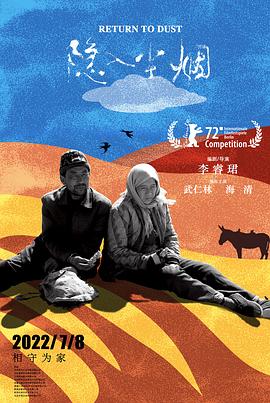
影片讲述西北农村,两个被各自家庭抛弃的孤独个体,在日复一日的耕耘中相濡以沫的故事,武仁林与海清展现了一对底层农民夫妇从陌生到熟悉,从相知到相守的心路历程。
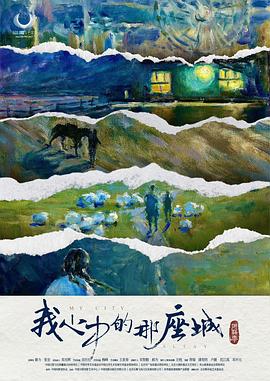
本片由《阿利亚的吉尔巴拉》《风的约定》《别时青青》《那时我还小》《古丽娜的枕头》五部短片组成,故事聚焦阿勒泰普通人的平凡生活……
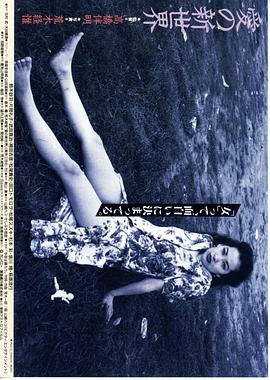
东京繁华之都,男男女女过着多重的生活。玲子(鈴木砂羽 饰)一天之中有着截然不同的身份,白天她是小剧团的演员,努力精进着表演事业;夜晚则化身涉谷的女王,见识着平时衣冠楚楚却有着各种隐晦欲望的男人。亚由美(片岡礼子 饰)的男友小健是一名高考复读生,为了供养男友,她瞒着对方用身体努力赚钱,向往有朝一日和小健走入婚姻的殿堂。两个女孩的故事,就在这喧嚣的大都市中静静展开…… 本片荣获1995年蓝丝带最佳女主角奖(鈴木砂羽)、1995年日本电影金像奖最佳女主角奖、1995年每日旬报最佳女主角奖、1996年横滨电影节最佳新人奖(鈴木砂羽、片岡礼子),片中写真由荒木经惟拍摄。
とりあえず曽野綾子の原作を、橋田寿賀子が脚本化して、社会派の今井正が監督した女性映画。 千坂京子(若尾文子)は売れない女優。ヌードモデルなどをして、その日その日をどうにか過ごしています。しかし、プロダクションの社長(志村喬)と知り合い、その愛人となってからは女優として順風満帆です。しかし、社長が死に、大学教授(船越英二)、プロ野球選手(藤巻潤)、作家(田村高広)などと男性遍歴を続けていく彼女の本当の望みは、幸せな結婚と穏やかな暮らしだけだったのです。そして、ある日、睡眠薬を飲みすぎた彼女の死体が発見されますが……
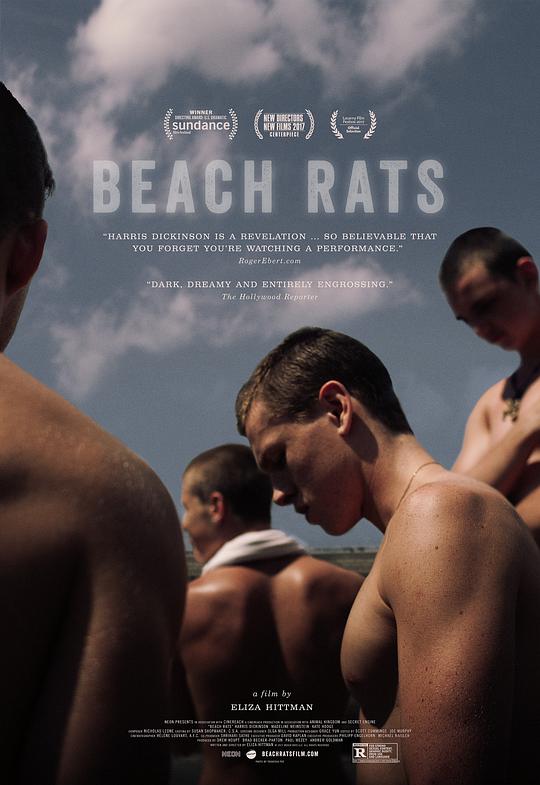
一个漫无目标的青少年 Frankie 在夏天时面临父亲去世,试图摆脱无聊的生活及负面的自我质疑,因此结交了新的女友,并在网路上认识了一个老男人。
18岁,正值青春大好年华,但同时也面临高考这一人生大事。高考作为一个重要的人生跨度,标志着一个时代的结束,一个新的梦想的开始。考生们十分明白高考的重要性,十年寒窗,日日苦读,就是为了考上梦想中的大学。 《那年我们18岁》讲述了几个年轻人在18岁那年高考临近之时内心的种种挣扎。十八岁的年纪里,内心正在慢慢走向成熟的他们,开始思考人生的方向,感情的取舍,未来的选择,在短短一个月里,发生了许多故事,然而他们采取了与以前完全不同的解决办法……
夏原友希会(松本若菜 饰)从中学时代起就是班上人人瞩目的焦点人物,毕业后,她嫁人生子,美满幸福的生活堪称典范。然而,厄运毫无征兆的降临在了她头上,她和她的家人成为了一场血腥残暴的灭门凶杀案中的受害者,种种迹象表面,凶手并非谋财,而更像是一种报复。 田中武志(妻夫木聪 饰)是一名报社记者,他决定挖掘案件背后隐藏的真相。武志有一个名叫光子(满岛光 饰)的妹妹,因为虐待亲生女儿致死而锒铛入狱,被判定为拥有精神方面的障碍。武志走访了夏原生前的校友和朋友们,她所拥有的一段不为人知的黑暗历史渐渐浮出了水面,而这段历史竟然和光子有着千丝万缕的关联。
丧尸病毒大爆发之后,一位受到病毒感染的父亲为了给刚刚降生的女儿找个新家而奔走在澳大利亚的荒野中,他还要保护女儿不因自己人性的渐渐退失而受到伤害。 主演:马丁·弗瑞曼 编剧:约兰达·拉姆克 导演:约兰达·拉姆克、本·豪林 制片:萨曼莎·詹宁斯、克里斯蒂娜·赛顿、罗素·阿克曼、约翰·舍恩菲尔德和马克·帕特森
Due to some common interests between German and Russian aristocracy ( the Russians even had aristocrats in their past not to mention they had an Empress called Catherine the Great, as great as this German count's heiresses… ), it is not strange that this Teutonic count has understood and even enjoyed Herr S. M. Eisenstein's "Staroye I Novoye". It is not very usual that for the aristocracy to enjoy Bolshevist films full of proletarian demands that put private property at risk or as it happens in this case, a film about the Communist Party's policy on the subject of the collectivization of the Soviet agriculture. Normally this would be perfect gibberish for this German count, but thanks to Herr Eisenstein 's greatness and directorial talent, the hardships of the heroine of the film, Dame Marfa ( Dame Marfa Lapkina ) breached even the thick aristocratic Schloss walls. And that's one of the first remarkable aspects of this oeuvre; in spite of the political subject of the film, the powerful images and lyricism ( astonishing and beautiful shot compositions ), especially during the first part of the movie, preserve the artistic merits entirely while serving a propaganda purpose. The second remarkable aspect of the film is the dichotomy between the old and new, the fight to improve the lot of Dame Marfa and her countrymen. There are many discussions because it is not easy even in Russia to change ancient and conservative customs. There are superb metaphors and social criticism ( illiteracy, bureaucracy, religiosity ) which perfectly fit the film, and last but not least, "Staroye I Novoye", is a kind of archaic documentary about ancient customs established deeply in old Russia, those ones that our heroine must fight against. And there is also a lot about agriculture ( very enlightening for this German count), especially about harvesting and how to fatten Russian cows or pigs ( literally, no pun here… ). Herr Eisenstein had to bear during the last era of his film career, unbelievable censorship and mutilation of his work, as happens with "Staroye I Novoye". The film was reedited and Eisenstein accused of sympathizing with Trostky's policies but fortunately the film was restored and showed by the German-frenchified t.v. channel "ARTE", natürlich!, including an evocative music score by Herr Taras Bujewski, that fits superbly Herr Eisenstein primal artistic interests. And now, if you'll allow me, I must temporarily take my leave because this German Count must buy a tractor for one of his Teutonic heiress.